
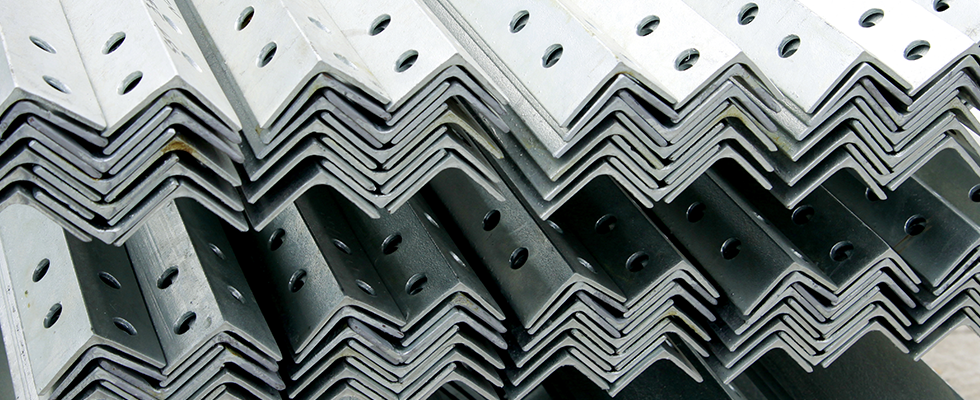
Achieving a durable, uniform zinc coating is essential in metal treatment and steel fabrication. Many beginners experience issues like black spots, uneven surfaces, ash formation, or poor adhesion simply because the Hot Dip Galvanizing Process is not followed in the correct sequence.
This updated guide explains each stage clearly, highlights common mistakes, and shares expert practices widely used in professional galvanizing plants.
What Is the Hot Dip Galvanizing Process?
The Hot Dip Galvanizing Process involves immersing properly cleaned steel into molten zinc at about 450°C. This creates several protective alloy layers that defend steel from corrosion for decades.
Key Advantages
- Excellent long-term corrosion resistance
- Works in harsh industrial and outdoor environments
- Strong metallurgical bonding
- Lower maintenance cost
- Suitable for large-scale engineering and structural applications
Industries Using the Process
- Construction
- Infrastructure
- Oil & Gas
- Wire, pipe, and tube manufacturing
- Automotive
- Renewable energy structures
Why Beginners Struggle With the Hot Dip Galvanizing Process
Common issues include:
- Black patches
- Uneven zinc coating
- Excess ash and dross
- High zinc usage
- Surface contamination
- White rust
- Fume hazards
Most problems occur because the Hot Dip Galvanizing Process requires proper pre-treatment and careful bath management.
Step-by-Step Hot Dip Galvanizing Process (Professional Workflow)
1️⃣ Surface Inspection
The steel surface is checked for paint, rust, welding slag, moisture, grease, and oxides. Any contamination affects how well zinc bonds during the Hot Dip Galvanizing Process.
2️⃣ Degreasing
This removes oil, lubricants, and dirt so the pickling stage works efficiently.
Shreetech International’s degreasers support faster cleaning and stable bath conditions.
3️⃣ Rinsing
Rinsing removes degreasing chemicals and prevents carryover into the pickling bath. Clean rinsing contributes to a smoother Hot Dip Galvanizing Process. Chemicals like Opticoat STI helps in maintain the right parameters for the rinse water.
4️⃣ Pickling (Rust Removal)
Pickling eliminates rust, mill scale, and oxides.
If not pickled properly the Hot Dip Galvanizing Process may result in black spots, rough coating, or poor adhesion.
Expert Insight: Inhibitors avoid over-pickling and extend tank life.
5️⃣ Second Rinsing
A final rinse removes acid residues and prevents dirty flux, ash formation, and inconsistent coating.
6️⃣ Fluxing
Fluxing is one of the most crucial stages of the Hot Dip Galvanizing Process. It keeps the steel oxide-free and ensures proper zinc bonding.
Shreetech International’s flux provides:
- low ash formation
- uniform zinc coating
- Reduced dross formation
- Lower zinc consumption
Flux quality strongly influences the final results.
7️⃣ Drying / Preheating
Drying eliminates moisture and prevents zinc splashing. Preheating also reduces fume generation and helps form a clean, even coating during the Hot Dip Galvanizing Process.
8️⃣ Zinc Bath Operation
Steel is immersed in the molten zinc bath at about 450°C.
Here, metallurgical layers—gamma, delta, zeta, eta—form naturally.
A stable zinc bath ensures a reliable Hot Dip Galvanizing Process.
Key factors include:
- Temperature control
- Bath chemistry
- Proper immersion timing
- Zero moisture on steel
9️⃣ Cooling / Quenching
Once dipped, steel is cooled using air or water. This stabilizes the zinc coating and helps prevent surface defects.
🔟 Passivation
Passivation prevents early corrosion, white rust, and moisture damage.
Shreetech International’s colorless passivation, chrome passivation, Trivalent passivation, non-chrome passivation and solutions offer long-term clarity and protection.
1️⃣1️⃣ Final Testing
Quality checks in a professional Hot Dip Galvanizing Process include:
- Coating thickness test
- Visual inspection
- Adhesion testing
- Standard compliance (IS/ASTM/EN)
This ensures steel is ready for industrial applications.
Best Practices to Improve Results
- Monitor acid concentration
- Maintain all chemical parameters
- Use REACH-compliant chemicals
- Check flux density regularly
- Remove ash frequently
- Maintain zinc bath temperature
- Maintain zinc Bath chemistry accordingly
- Disposing of rinse water regularly
- Use fume suppressants
- Train operators
- Store finished steel properly (preferably under a covered area)
These practices reduce cost and improve consistency across the entire Hot Dip Galvanizing Process.
Explore Shreetech International’s chemicals and solutions used throughout the Hot Dip Galvanizing Process:
https://www.shreetechinternational.com/products/metal-treatment
FAQs
1. What is the purpose of the Hot Dip Galvanizing Process?
To create a protective zinc coating that prevents corrosion.
2. What does flux do?
It cleans the steel surface and ensures proper bonding during zinc immersion.
3. Why do black spots appear?
Due to poor pickling, dirty flux, or improper surface cleaning.
4. How long does the coating last?
Typically 25–50 years depending on environment.
5. How can zinc usage be reduced?
Maintain bath temperature, use high-quality flux, and avoid over-immersion.
Conclusion
The Hot Dip Galvanizing Process delivers long-lasting protection when each stage—cleaning, pickling, fluxing, dipping, and passivation—is executed correctly. With the right chemicals, proper bath control, and trained staff, plants can achieve consistent, defect-free results.
Shreetech International supplies high-performance chemicals and expert guidance to help galvanizing units improve quality and reduce operational costs.
For expert support and reliable process chemicals, contact Shreetech International today.